
Business travel is a routine part of how many organizations operate, whether a sales team is visiting clients, an engineer is working on-site, or an executive is speaking at a conference. Knowing which costs fall under business travel helps companies build realistic budgets, apply reimbursement policies consistently, and keep accurate records. Keeping a clear view of business travel and professional expenditure is useful for finance teams and employees alike. This guide explains the most common categories of business travel expenses, how each is typically documented, and where general tax guidance comes into play.
Table of Contents
- What Counts as a Business Travel Expense
- Transportation Costs
- Lodging and Accommodation
- Meals and Client Entertainment
- Ground Transport, Baggage, and Incidentals
- Business Travel Expense Summary
- Recordkeeping and Receipts
- Turning Travel Records Into Better Budgets
What Counts as a Business Travel Expense
In general terms, a business travel expense is an ordinary and necessary cost incurred while traveling away from your regular place of work for a business purpose. “Ordinary” generally means the expense is common in your industry, and “necessary” generally means it is helpful and appropriate for the business. Tax treatment depends on the facts and circumstances of each trip. The U.S. Internal Revenue Service explains these concepts in IRS Publication 463 (Travel, Gift, and Car Expenses), which is a useful reference for understanding how general rules are applied.
Most business travel spending falls into a handful of recurring groups:
- Transportation between home or office and the business destination
- Lodging for overnight stays
- Meals consumed while traveling, including business meals
- Local ground transportation such as taxis, rideshares, and parking
- Vehicle costs when a personal or rented car is used for business
- Baggage, shipping of samples or materials, and communication costs
- Smaller incidentals such as laundry, tips, and business supplies
Transportation Costs
Transportation is usually the largest single line item on a business trip. It includes airfare, train tickets, bus fares, and in some cases the cost of driving a personal vehicle. Companies often set booking rules, such as preferred airlines, fare classes, or advance booking windows, to keep these costs predictable.

Keep the ticket receipt or itinerary for every leg of the trip. If a ticket was provided free or through a frequent traveler program, the cost to the traveler may be zero, which affects how the expense is reported.
Lodging and Accommodation
Hotel rooms and other overnight stays are a core business travel expense. Costs typically include the nightly room rate, and may also include taxes and mandatory resort or service fees. Hotels sometimes bundle meals into the room charge, in which case the cost may need to be separated for reporting purposes.
Many organizations set reimbursement limits by city or region. U.S. federal employees, for example, are reimbursed using rates published by the General Services Administration’s per diem rates, which vary by location and fiscal year. Private companies often use similar benchmarks, though their policies differ.

Meals and Client Entertainment
Meals are one of the more frequently reviewed categories because they combine personal necessity with business purpose. Typical meal-related expenses include:
- Breakfast, lunch, and dinner on overnight travel days
- Meals with clients, prospects, or business partners
- Team meals held during a conference or site visit
- Tips and taxes included on restaurant bills
Under current U.S. federal guidance, unreimbursed business meals are generally deductible only at 50 percent, and entertainment costs are subject to separate rules. Lavish or extravagant meals are not generally deductible. Recording who attended and the business purpose of each meal is a common best practice.

Ground Transport, Baggage, and Incidentals
Smaller costs can add up quickly over a multi-week assignment. These commonly include:
- Taxis, rideshares, and airport transfers
- Parking fees and tolls
- Checked baggage fees and shipping of samples or equipment
- Business calls, internet access, and communication devices
- Laundry and dry cleaning on extended trips
Each of these is usually small on its own, which is why they are often the most overlooked in expense reports.
Business Travel Expense Summary
The table below summarizes the main expense categories, common examples, and a general documentation tip for each. Specific treatment depends on local policy and applicable tax rules.
Recordkeeping and Receipts
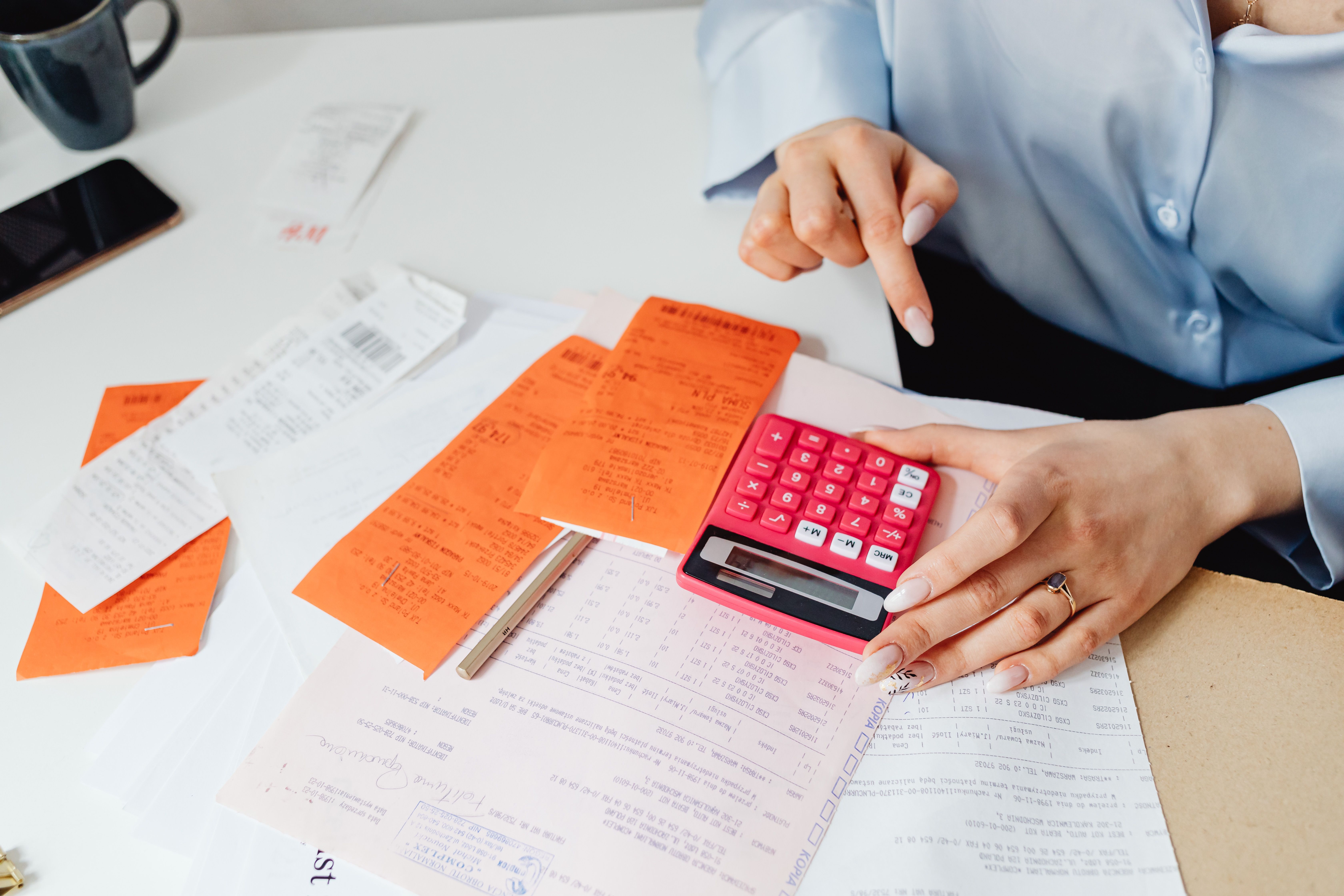
Good records make expense reports faster to approve and easier to defend if questions arise. Official tax guidance generally expects a record of the amount, date, place, and business purpose of each expense, along with supporting documents such as receipts. A written log, a digital expense app, or a shared spreadsheet can all serve this purpose, as long as the information is complete and retained according to company and legal requirements.
- Save digital copies of receipts on the day of the expense
- Note the business purpose while the details are still fresh
- Record names and companies for client meals
- Reconcile card statements against the expense report before submission
Turning Travel Records Into Better Budgets
Once expenses are categorized consistently, patterns become easier to see. A company may notice that airport transfers consistently cost more than the shuttle option, or that certain cities regularly exceed the lodging budget. Reviewing these categories each quarter gives finance teams concrete data for setting travel policies, negotiating vendor rates, and forecasting future trips. Treating business travel records as a planning tool, rather than only a reimbursement task, can make travel budgets more accurate over time.