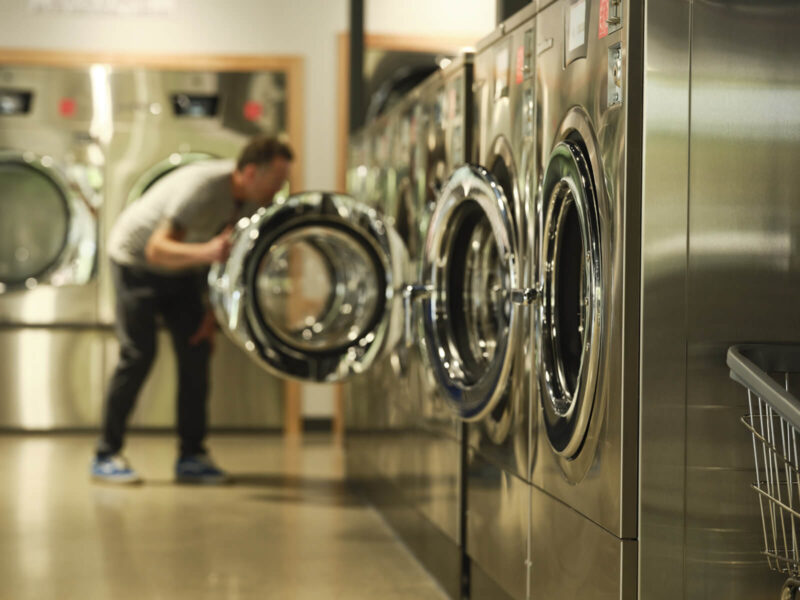
Running a professional laundry operation requires more than basic machines and a functional workspace. Hotels, hospitals, laundromats, care facilities, gyms, and industrial plants all depend on reliable systems that can handle heavy daily loads without slowing down productivity. In these environments, efficiency, durability, and consistent performance are essential. Heavy-duty commercial laundry equipment is designed to meet those expectations by supporting fast turnaround times, reducing manual effort, and maintaining fabric quality even after repeated washing and drying cycles.
Why businesses need equipment built for continuous performance

Professional laundry environments face demands that residential machines simply cannot manage. Daily use often includes large loads, tight schedules, and the need for dependable results across different fabric types. That is why many operators begin to find commercial laundry equipment for your business by focusing on performance standards rather than price alone. Machines built for commercial use are engineered to operate for extended periods, process larger capacities, and deliver more precise wash and dry cycles. This helps businesses reduce downtime, improve workflow, and serve customers or internal departments with greater consistency.
High performance equipment also helps control operating costs over time. Better water usage, energy efficiency, and shorter cycle times can make a meaningful difference in long term expenses. For growing businesses, this creates a more stable foundation for expansion while keeping service quality high.
Key features that improve productivity and reliability
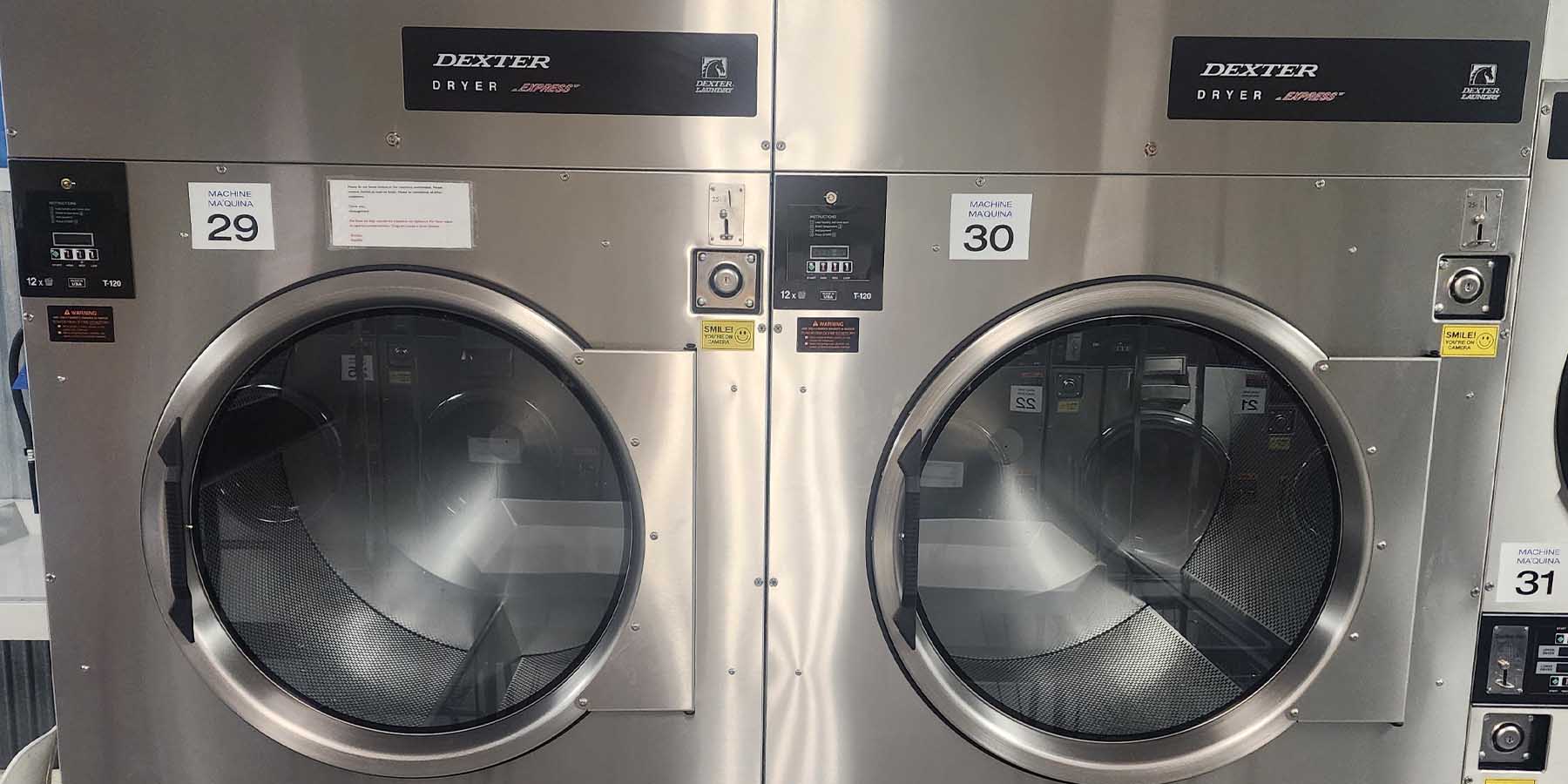
Modern commercial laundry equipment offers more than raw power. Today’s systems are designed with features that improve both output and usability. High capacity washers reduce the number of loads needed each day, while programmable controls allow operators to select settings based on fabric type, soil level, and hygiene requirements. This level of control is especially valuable in sectors such as healthcare and hospitality, where cleanliness standards must be maintained without damaging textiles.
Durability is another major advantage. Stainless steel drums, reinforced components, and industrial grade motors are built to withstand demanding conditions. Many machines also include advanced diagnostic tools that make maintenance easier and help identify issues before they become serious. This reduces service interruptions and supports a smoother daily operation.
Dryers, ironers, and folding systems can further increase efficiency when integrated into a complete laundry setup. Instead of relying on a single machine type, professional operations benefit from a connected workflow that moves items from washing to finishing with minimal delay.
Choosing the right solution for your operation
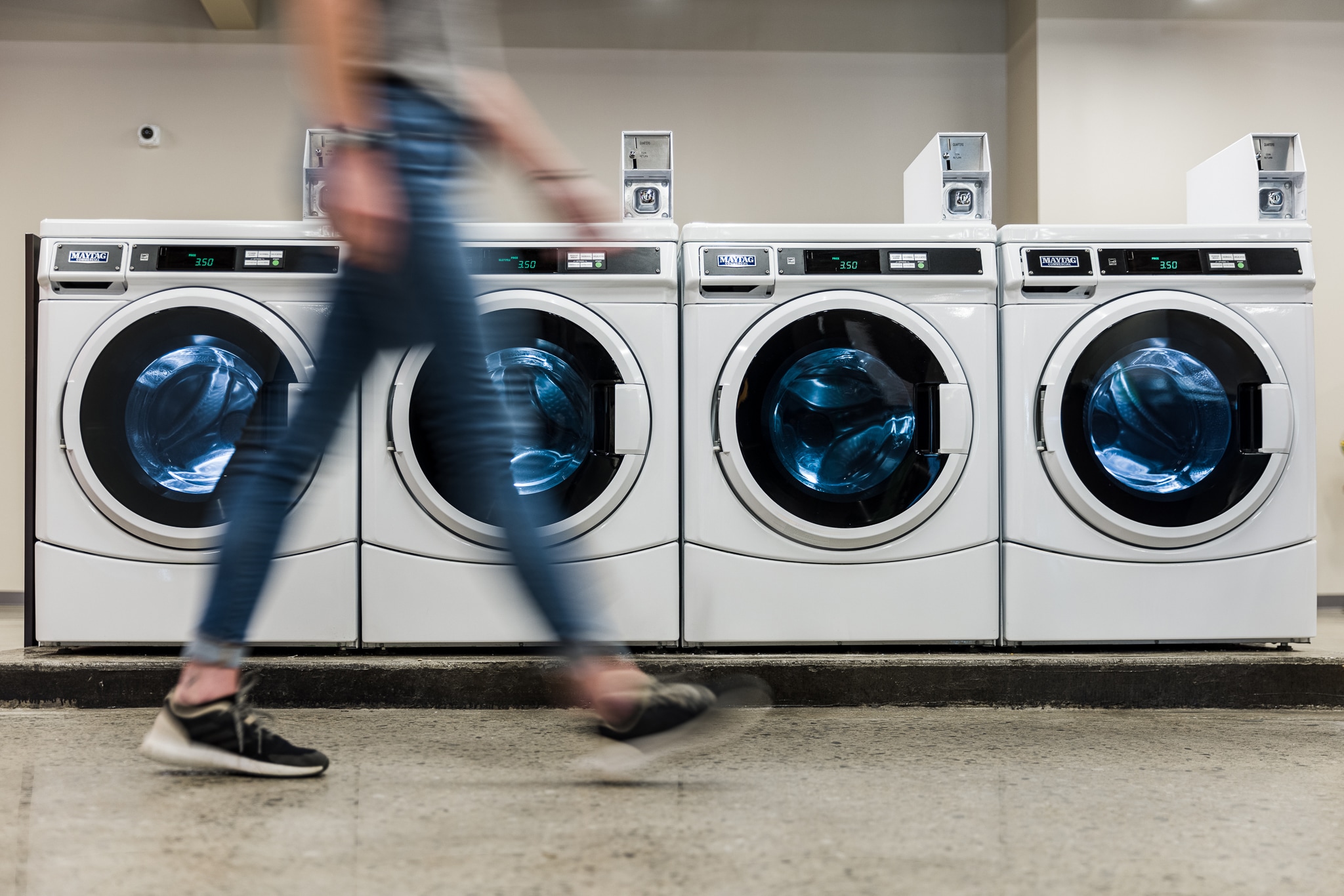
The best equipment choice depends on the size and nature of the operation. A busy hotel may prioritize speed and linen quality, while a healthcare facility may focus more heavily on sanitation and process control.
Capacity planning is essential because underpowered equipment can create bottlenecks, while oversized systems may lead to unnecessary costs. Businesses should also consider available space, utility access, staff workflow, and expected daily volume before making a decision.
Support from a trusted supplier is equally important. Installation guidance, staff training, maintenance service, and access to replacement parts all contribute to long term success. Investing in the right machinery is not only about immediate performance but also about securing dependable operations for years ahead.
Conclusion
Heavy-duty commercial laundry equipment plays a central role in any professional operation that depends on speed, hygiene, and reliability. With the right machines in place, businesses can improve efficiency, lower long term costs, and maintain a higher standard of service. Choosing equipment that matches operational goals is one of the smartest ways to build a productive and resilient laundry system.