Moving heavy construction equipment and oversized materials is a high-stakes part of modern projects. Whether you are relocating machinery between sites, delivering pre-built structures, or hauling steel beams for a new build, transport needs to be safe, compliant, and timed to keep work progressing. The right planning reduces downtime, avoids damage, and keeps costs predictable.
Construction Machinery Transport for Active Sites

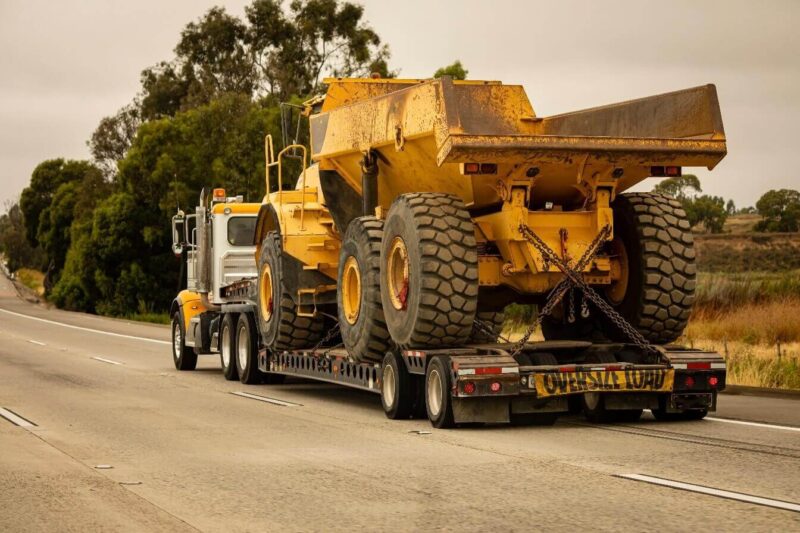
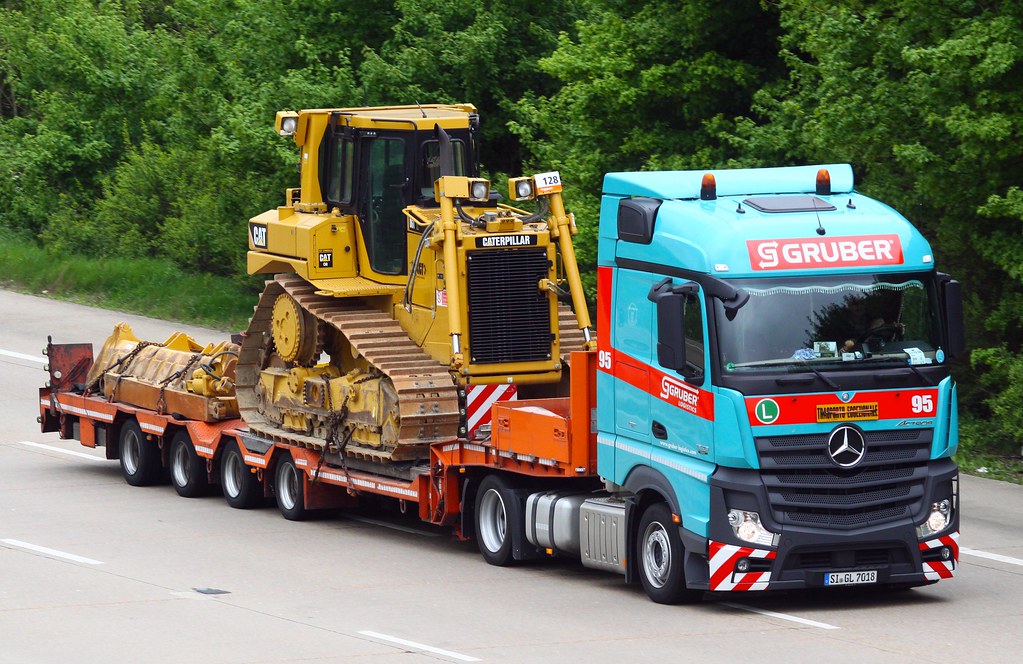
Construction machinery often needs to move fast, but it also needs to move correctly. Excavators, skid steers, rollers, telehandlers, and attachments all require the right trailer type and load security methods. Low loaders and drop deck trailers are commonly used because they lower overall height and improve stability. Tilt trays can be suitable for smaller plant equipment that can be winched on and off efficiently.
Before transport, operators typically confirm dimensions, weight, and any removable components. Buckets, blades, and hydraulic attachments should be secured separately to prevent shifting. Access on site also matters. Tight gates, uneven ground, and limited turning space can affect how the load is delivered and unloaded. If you are planning a multi-site workflow, it helps to schedule your interstate machinery transport early so permits, route checks, and delivery windows align with your project timeline.
Pre-Built Structures: Modular Buildings and Site Sheds
Pre-built structures such as modular rooms, site offices, portable sheds, and prefab components can save weeks of build time, but they introduce transport challenges. These loads are often wide, tall, or both, and they can be vulnerable to vibration and wind. Transport providers must consider tie down points, load distribution, and protection from rubbing or edge damage.
Route planning is critical for prefab moves. Overhead clearances, bridge limits, roundabouts, and local road restrictions can determine what is possible. Some moves require escort vehicles or traffic control, especially if the structure exceeds standard width limits. On delivery, a clear unloading plan is essential, whether the structure is craned into position or slid off a specialized trailer. Coordinating the transport with crane bookings and site readiness can prevent costly delays.
Steel Beams and Long Loads: Securement and Compliance

Steel beams and structural sections are heavy, long, and unforgiving if they shift. The main goals are stability, legal compliance, and protecting the material from damage. Extendable trailers and flatbeds with proper dunnage are common choices for long loads, while multi-axle configurations may be needed for heavier sections or multiple beam bundles.
Load restraint is non-negotiable. Chains, binders, and edge protection must be correctly rated and positioned to prevent movement under braking or cornering. Beam bundles should be blocked and strapped to stop rolling, and overhang rules must be respected to avoid compliance issues. Providers also plan for safe loading and unloading zones because beams can create hazards if handled in tight spaces or near active traffic.
Conclusion
Transporting construction machinery, pre-built structures, and steel beams demands planning, specialist equipment, and disciplined load security. When permits, route checks, and site coordination are handled properly, deliveries arrive safely and projects stay on schedule. If you want to reduce delays and manage interstate logistics smoothly, schedule your interstate machinery transport with a provider that understands oversized loads, construction timelines, and compliant delivery.